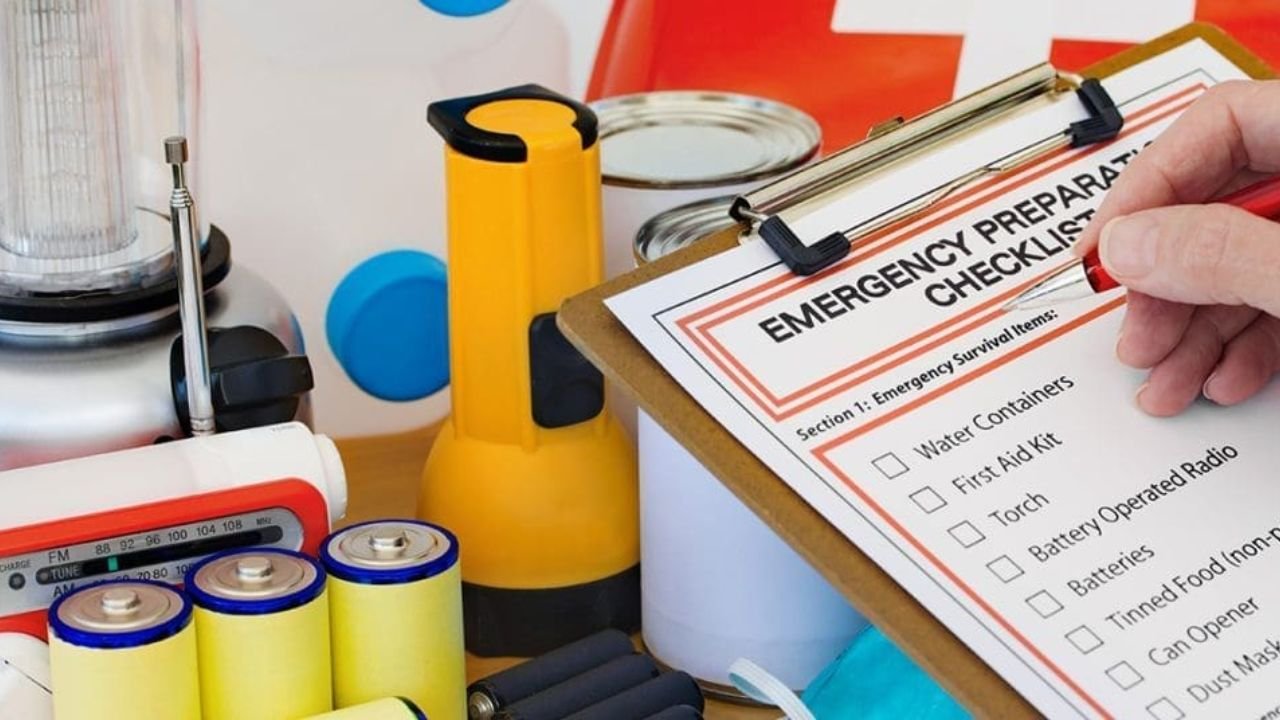
Running a small business often means wearing many hats — from managing operations to marketing, customer service, and everything in between. But one hat that many business owners forget to wear is that of the crisis manager. Whether it’s a supply chain disruption, extreme weather, a sudden public relations issue, or an unexpected financial hit, a crisis can derail even the most stable operation.
That’s why every local business, regardless of size or industry, should have a crisis management plan in place. A well-prepared plan can mean the difference between quick recovery and long-term damage.
What Is a Crisis Management Plan?
A crisis management plan is a written set of procedures and guidelines a business follows when facing significant, unexpected disruptions. It’s not just about reacting; it’s about being ready to respond effectively while protecting people, assets, and reputation.
A solid plan typically covers:
- Identifying potential risks specific to your business and industry
- Communication protocols for employees, customers, and partners
- Roles and responsibilities for key staff members
- Steps for recovery and continuity after the crisis has been contained
Why Local Businesses Are Especially Vulnerable
Large corporations often have dedicated teams and resources to handle emergencies. Local businesses don’t always have that luxury, making preparedness even more critical.
For small business owners in communities like Watchung, challenges can range from:
- Severe weather impacting foot traffic and deliveries
- Supplier shortages for essential products
- Equipment failures in restaurants or manufacturing settings
- Negative reviews or online backlash spreading quickly
- Local construction or infrastructure disruptions affecting customer access
Because local businesses rely heavily on community trust and relationships, a poorly handled crisis can cause long-term harm to both sales and reputation.
Key Benefits of Having a Plan in Place
Faster, More Organized Response
When trouble strikes, time is critical. A plan ensures everyone knows what to do and who’s in charge, reducing confusion and costly delays.
Protecting Your Reputation
In a connected world, news travels quickly. Being transparent, proactive, and consistent in your messaging can help maintain public trust during a crisis.
Reducing Financial Losses
Every hour of downtime can mean lost revenue. Crisis plans often include backup suppliers, alternate operating methods, or temporary relocation strategies to keep the business running.
Boosting Employee Confidence
Employees who know there’s a plan feel more secure and are more likely to stay calm and effective under pressure.
How to Create a Crisis Management Plan
1. Identify Possible Scenarios
Consider every realistic threat — from natural disasters to digital threats like data breaches. Focus on what’s most likely in your industry and area.
2. Define Roles and Responsibilities
Assign specific tasks to specific people. Make sure they understand their duties and have the authority to act when needed.
3. Build Communication Templates
Prepare draft messages for customers, employees, and the public. This saves time and ensures a consistent message.
4. Create a Recovery Roadmap
Outline the steps for getting back to full operations. This could include contacting insurance providers, securing temporary space, or shifting to online sales temporarily.
5. Test and Update Regularly
A plan is only as good as its last update. Schedule reviews at least annually or after any significant change in operations.
Community Examples of Crisis Preparedness
Local restaurants that prepare for power outages by having portable generators and shelf-stable menu options can continue serving customers during blackouts. Retail shops with e-commerce options can pivot online if road closures limit access to their storefront. Service providers with cloud-based records can keep working even if their physical office is temporarily closed.
Preparedness doesn’t just protect the business — it keeps the local economy moving and maintains the services residents depend on.
The Long-Term Payoff
A crisis management plan isn’t just a safety net; it’s a competitive advantage. Customers appreciate businesses that are reliable, even during difficult times. When you can remain open, communicate clearly, and deliver value while others are scrambling, you strengthen loyalty and trust.
Investing the time now to create and test your plan means you’re not starting from scratch when every second counts.
Plan Today, Protect Tomorrow
The best time to prepare for a crisis is before it happens. Your business, employees, and customers deserve the security of knowing there’s a clear plan in place.
Visit watchungchamber.com to explore more business resources, connect with local experts, and find step-by-step guides to help your business stay strong — no matter what challenges come your way.