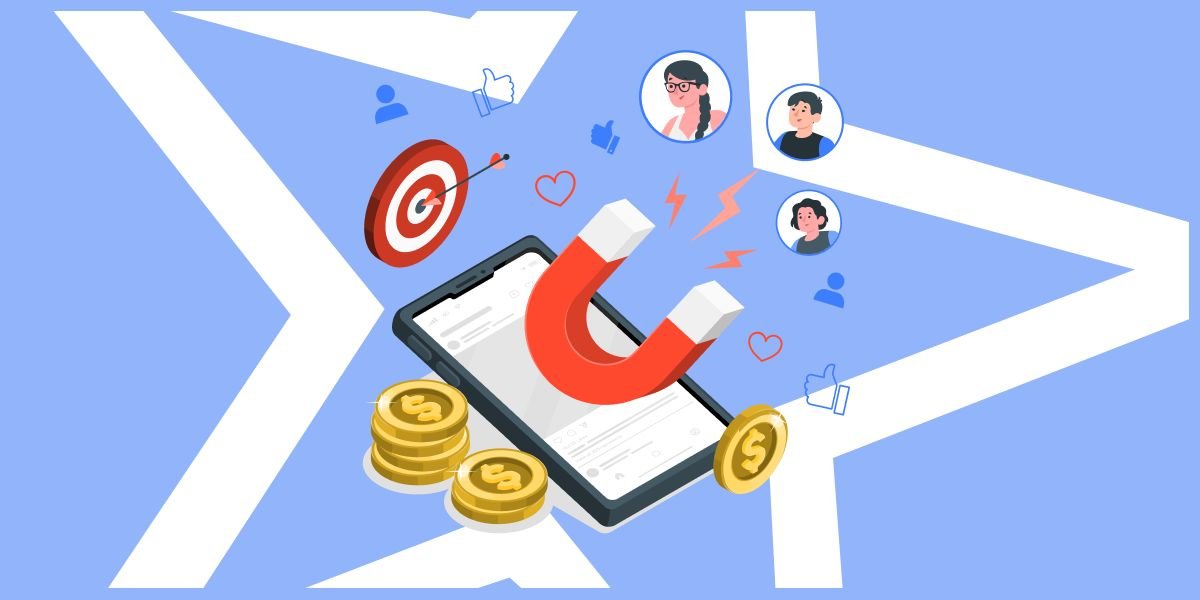
In an age where businesses rely on social media, paid ads, and AI-driven tools to connect with customers, many entrepreneurs ask: Do I still need an email list? The answer, even in 2025, is a clear yes. While algorithms shift and platforms come and go, an email list remains one of the most reliable and cost-effective ways to build strong customer relationships, drive sales, and sustain long-term growth.
The Shifting Digital Marketing Landscape
Over the last decade, digital marketing has changed dramatically. Platforms like TikTok, Instagram, and YouTube have created new ways for brands to engage with audiences. But with every update to algorithms, small businesses risk losing visibility overnight. A carefully built email list gives owners direct access to customers without being dependent on outside platforms.
Unlike social media followers, an email subscriber is a direct contact that your business owns. That independence is invaluable when planning campaigns or nurturing customer loyalty.
Why Email Marketing Outperforms Social Media Alone
It may surprise some to learn that email marketing consistently delivers higher return on investment (ROI) than most other channels. Studies in 2024 showed businesses earning an average of $36 for every $1 spent on email marketing. While social media is excellent for discovery, it often lacks the personal connection and targeted communication that email can provide.
Emails allow businesses to:
- Segment customers by interest or behavior.
- Deliver exclusive offers straight to inboxes.
- Personalize recommendations with customer data.
These benefits create a more intimate and effective marketing channel, something social media alone rarely achieves.
Building Trust and Long-Term Relationships
Customers today are more cautious about where they spend their money. They want to feel valued, not just targeted. A thoughtful email campaign allows businesses to share useful tips, behind-the-scenes updates, or exclusive promotions that strengthen trust over time.
For example, a local Watchung café could send recipes, seasonal menu previews, and special event invitations. This approach keeps the café top-of-mind without overwhelming customers with ads they might scroll past on Facebook or Instagram.
Data Privacy and Control
In 2025, privacy laws and data protection standards are stricter than ever. Many consumers hesitate to share personal information with large platforms. An email list gives businesses direct, permission-based access to customers who already want to hear from them.
When subscribers opt-in, they are choosing to stay connected. That level of consent provides a sense of control for both business and customer. Additionally, businesses retain ownership of this data—unlike followers who might vanish if a platform shuts down or changes policy.
How to Grow Your Email List in 2025
The good news is that building an email list doesn’t require advanced tech or huge budgets. Here are effective methods small businesses can use today:
- Offer valuable incentives: Provide discounts, free guides, or entry into giveaways in exchange for an email sign-up.
- Use QR codes: At local events or inside stores, QR codes make subscribing effortless.
- Leverage social media: Encourage followers to join your email list for exclusive content not shared elsewhere.
- Partner with other businesses: Cross-promotions can help both partners expand their reach.
The goal is to show customers that subscribing to your emails benefits them directly.
Common Mistakes to Avoid
Many small businesses struggle with email marketing because they fall into common traps. Avoiding these will keep your campaigns strong:
- Sending too often: Overloading inboxes leads to unsubscribes.
- Neglecting mobile optimization: Most people read emails on their phones; make sure designs fit small screens.
- Failing to personalize: Generic emails feel like spam. Tailoring subject lines and content boosts engagement.
- Ignoring analytics: Open rates, click-throughs, and conversions reveal what’s working and what needs adjustment.
By steering clear of these mistakes, businesses can maximize the power of their email list.
The Local Advantage
For Watchung businesses, email lists can be especially impactful. Local stores, restaurants, and service providers thrive on repeat customers. Email newsletters are a direct way to remind residents of new offerings, seasonal promotions, or community events.
A boutique in Watchung might share style tips alongside new arrivals, while a fitness studio could highlight class schedules and success stories from local members. These personal touches create loyalty and strengthen community ties.
The Future of Email Marketing
Looking ahead, email marketing in 2025 is becoming smarter with AI-driven personalization. Businesses can now automate campaigns that adjust in real time based on customer behavior. For example, if a subscriber clicks on a product link but doesn’t purchase, an automated follow-up can offer a discount or more information.
But at its core, email marketing is still about building genuine connections. Tools may evolve, but the foundation—communication that respects and engages customers—remains the same.
Conclusion
While trends in marketing continue to change, one truth remains: your email list is your most valuable digital asset. It’s a channel you own, a direct line to your customers, and a proven driver of growth. For businesses in Watchung and beyond, building and nurturing an email list is not just relevant—it’s essential in 2025.
CTA: What do you think—does your business use email marketing effectively? Share your thoughts below and explore more local business resources at watchungchamber.com.