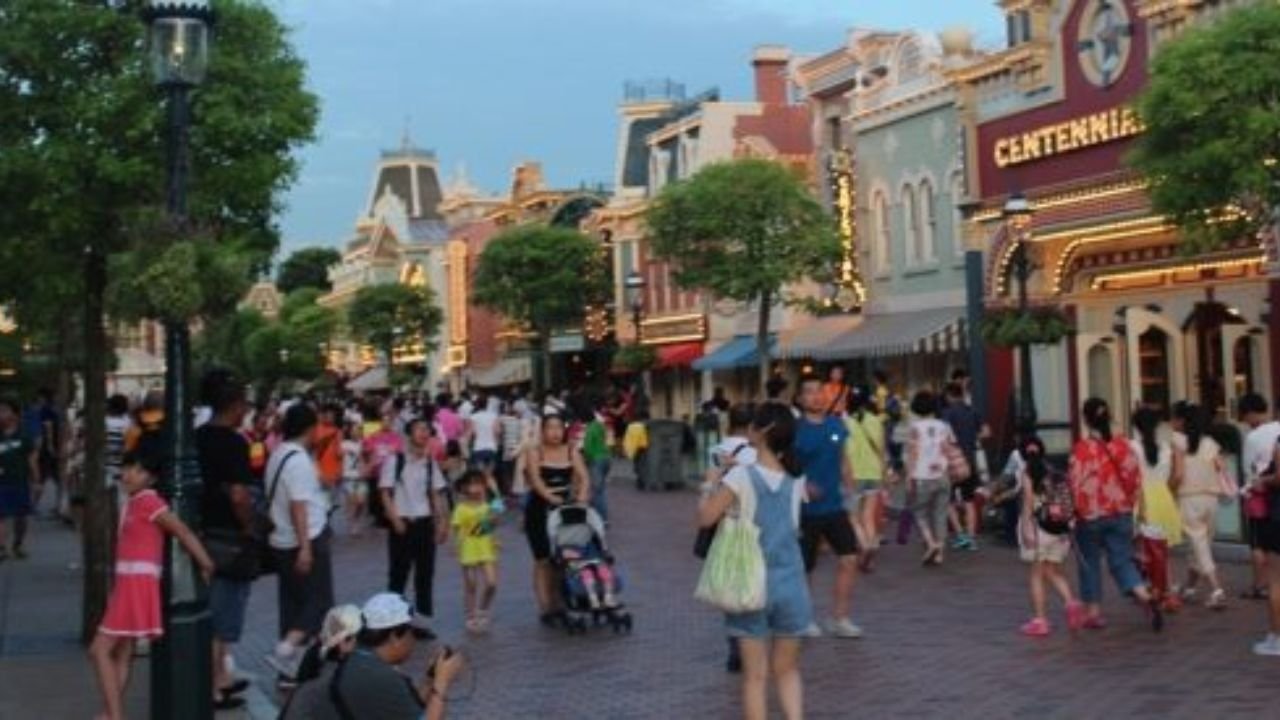
Main Street is more than just the heart of a town—it is often the first place visitors see and where the local community comes together. From its early days as a bustling centre of commerce to its current role in fostering small businesses and community connections, Main Street has always been at the forefront of a town’s growth. This article takes a look at how Main Street has evolved over time and the exciting future it holds for both residents and visitors.
The Early Days: Main Street as the Hub of Commerce
In the early years of the United States, Main Street was the literal and figurative heart of the community. Towns were often built around a central street where people would gather to buy goods, meet friends, and take part in public life. Businesses were locally owned and operated, and residents often relied on these small shops for everything from groceries to clothing.
Main Street was also home to vital services, such as the post office, town hall, and schools. These establishments were where residents met to conduct civic duties, discuss important matters, and support one another. The close-knit nature of these communities was partly due to Main Street’s role as the social and economic centre.
The Mid-20th Century: The Rise of Suburbanization
The post-World War II era marked a period of rapid growth and change for many American towns. The rise of the automobile allowed people to move away from the central town core, and suburbanization began to take hold. As more people moved into residential neighbourhoods outside of the traditional town centre, the focus shifted from Main Street to shopping malls and large-scale commercial developments.
During this time, many small businesses on Main Street struggled to compete with the convenience and variety offered by the new suburban shopping centres. The architecture of Main Street began to change as stores shuttered, and buildings fell into disrepair. For many towns, this period marked a significant shift away from the bustling, community-driven atmosphere that Main Street once had.
Revitalization Efforts: Breathing New Life into Main Street
In the late 20th century, a movement to restore the vitality of Main Street began to gain momentum. Community leaders and local governments realized that Main Street’s decline was affecting the overall health of their towns. A shift towards revitalization became evident as communities took steps to restore the charm of their main streets, while also modernizing them to meet the needs of current residents.
Efforts to beautify Main Street, improve infrastructure, and promote small businesses became central to revitalization projects. Cities began to offer tax incentives for businesses to move back into town centres, and new regulations were put in place to preserve the historic charm of Main Street while accommodating growth.
The focus shifted from big-box stores to local artisans, boutique shops, and restaurants that created a unique, personal touch for Main Street. Local events, such as farmers’ markets, festivals, and parades, started to make a comeback, drawing people back to the heart of the town.
Today: A Blend of Tradition and Modernity
In the present day, Main Street is a blend of old and new, with many towns successfully merging their rich history with modern conveniences. From renovated historic buildings to new structures designed with a nod to the past, Main Street has become a symbol of community resilience and the ability to evolve with the times.
The importance of small businesses cannot be overstated. They are the lifeblood of many Main Streets across the country. Restaurants, boutique stores, and artisanal shops provide unique experiences for both locals and tourists. Many communities have embraced the idea of a “walkable downtown,” where people can spend the day shopping, dining, and socializing without needing a car.
Furthermore, the integration of technology has played a key role in shaping Main Street’s evolution. Many local businesses now rely on e-commerce platforms, social media marketing, and digital payment systems to remain competitive. Main Street’s businesses are now part of the broader digital economy, providing a bridge between traditional commerce and modern consumer expectations.
The Future: Smart Cities and Sustainable Growth
Looking ahead, Main Street will likely continue to evolve as towns and cities embrace smart city technologies and sustainable development practices. With a growing emphasis on sustainability, green spaces, and eco-friendly architecture, the future of Main Street will likely involve creating environments that are not only economically vibrant but also environmentally responsible.
Smart city technologies will make Main Streets more efficient and user-friendly. From apps that help visitors find parking to energy-efficient street lighting, these technologies will enhance the experience for both locals and visitors. Additionally, the use of renewable energy sources, such as solar panels and energy-efficient building designs, will help reduce the carbon footprint of Main Street, making it a model for sustainable growth.
Main Street’s future will also likely see an increased focus on community-driven development. As younger generations place a higher value on sustainability, social equity, and inclusivity, Main Street will continue to be a place where people come together to build stronger communities.
Conclusion: Main Street’s Enduring Legacy
Main Street has always been the lifeblood of towns across the country, and its evolution tells the story of America’s shifting priorities, values, and way of life. From its early days as the centre of commerce to its modern role as a community gathering place, Main Street has adapted to meet the needs of its people.
As we look ahead, Main Street will continue to be a symbol of resilience and growth. By blending the past with the future, towns can create vibrant, sustainable main streets that will serve as the centre of community life for generations to come.
CTA: Want to learn more about the local businesses and events shaping Watchung’s future? Visit watchungchamber.com for the latest updates and stories.