Every town carries its history in its streets, but Watchung’s story is written into the walls, porches, and foundations of its homes. From colonial farmhouses that anchored the early settlement to 19th-century estates reflecting prosperity, the architecture of Watchung offers a living timeline. These houses are not only shelters; they are reminders of the families, builders, and eras that shaped the town’s identity.
Colonial Roots and Early Settlements
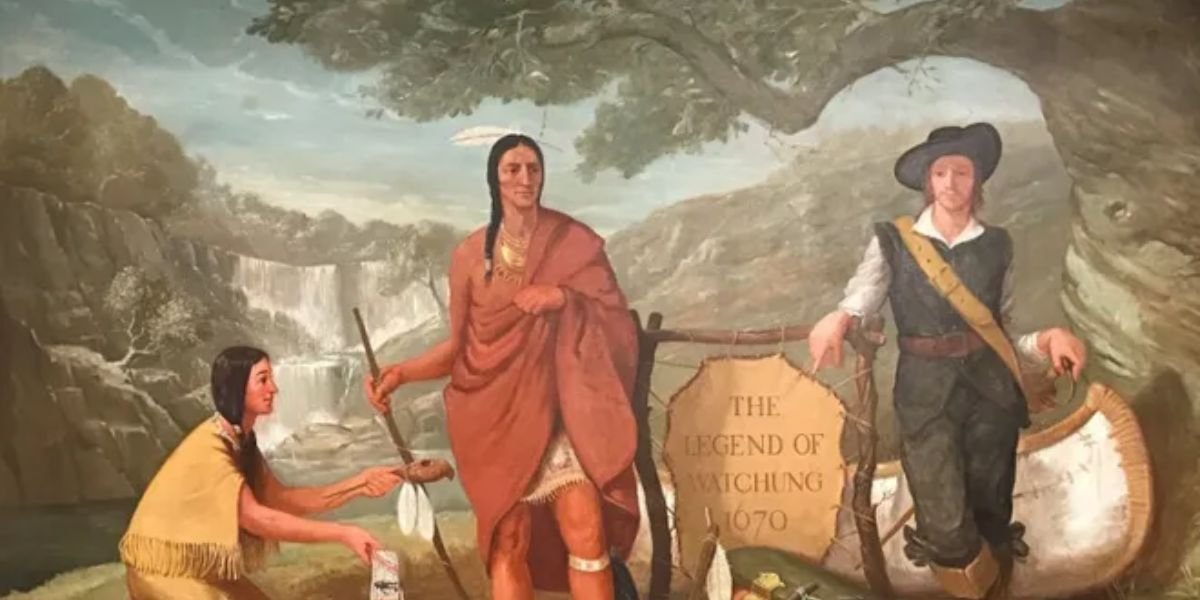
Watchung’s earliest homes date back to the 18th century, when farmland defined much of the landscape. Colonial-style houses, often built with stone foundations and timber frames, reflected simplicity and function. Thick walls provided insulation against cold winters, while central hearths served as both cooking spaces and gathering places.
Some of these homes, though altered over centuries, still stand today. Their endurance illustrates the craftsmanship of early settlers and the importance of self-sufficiency in a rural community. Walking past them is like stepping back into an era when Watchung was still a small farming settlement tied closely to the rhythms of the land.
The Rise of Victorian Elegance
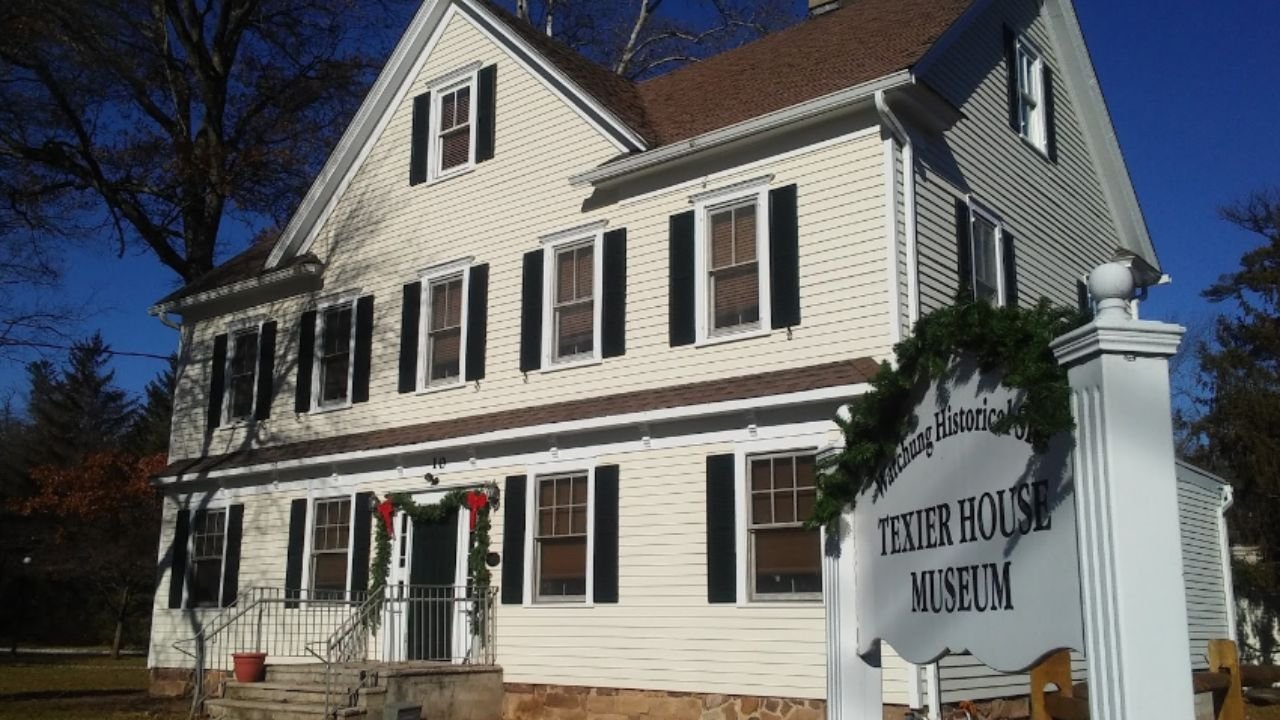
By the mid-19th century, Watchung experienced growth influenced by the broader Victorian movement. Homes built during this period showcased ornate details: bay windows, decorative trim, wraparound porches, and intricate woodwork. Unlike the simplicity of earlier houses, these designs expressed ambition and social status.
Many of Watchung’s Victorian homes became gathering points for the community, hosting social events and reflecting a time when prosperity allowed for more elaborate living. Their charm continues to attract admiration today, reminding residents that architecture can be as expressive as it is functional.
Twentieth-Century Character and Change
As Watchung transitioned into the 20th century, new styles appeared that reflected national trends and local needs. Craftsman bungalows emphasized natural materials and built-in furniture, while Colonial Revivals borrowed inspiration from earlier forms but updated them with modern conveniences.
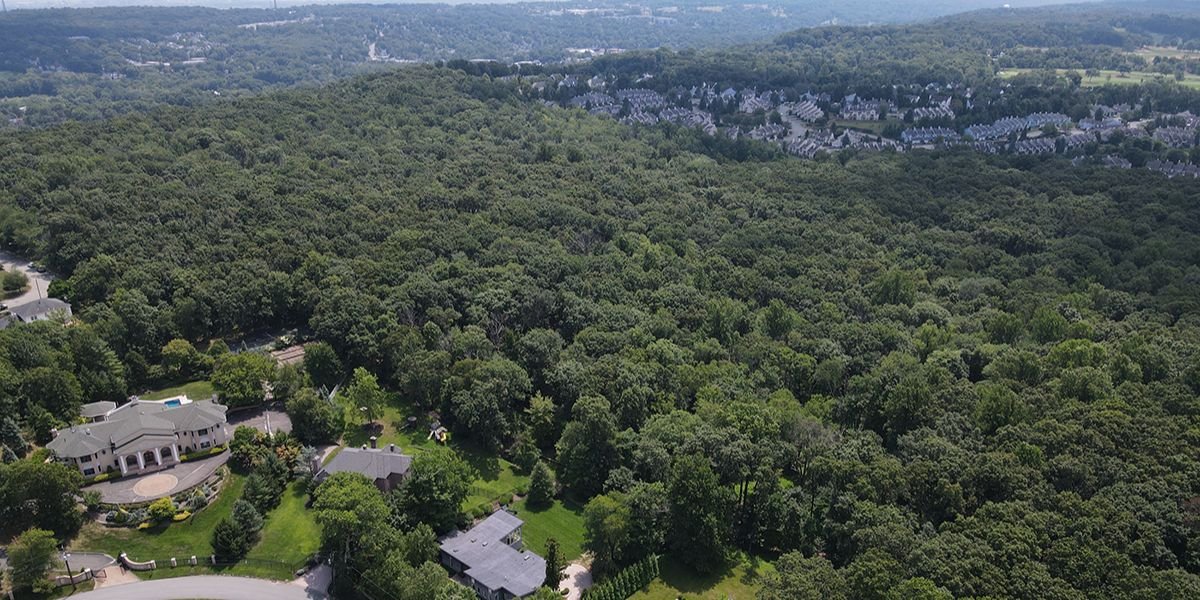
In the postwar years, ranch-style homes became popular, reflecting a cultural shift toward open layouts and suburban living. These mid-century houses still line many of Watchung’s neighborhoods, quietly telling the story of how the town grew during a period of rapid change in America.
Preservation and Community Value
Historic homes are more than architectural artifacts; they are community anchors. Preserving them maintains not just walls and roofs, but the narratives of generations. Homeowners and local organizations have worked to keep these properties intact, balancing modern updates with respect for original character.
Each preserved home reinforces Watchung’s sense of identity. When residents and visitors see these structures, they connect with the past and understand how history shapes the present. Protecting them ensures that future generations will still be able to walk through town and see the stories that came before.
Why These Stories Matter
Architecture is often called “frozen history.” In Watchung, each historic home embodies a chapter in the town’s development—from farming roots to suburban growth. Recognizing these homes reminds us that progress and preservation can work together. They are not just private properties but shared cultural landmarks.
For residents, knowing the stories behind these houses deepens pride in their community. For visitors, it provides insight into what makes Watchung distinct among New Jersey towns. And for business owners, it reinforces the importance of place — because a strong community identity often translates into strong local economies.
Explore More Local Stories
Historic homes are only part of Watchung’s cultural fabric. From community events to local business milestones, every story contributes to the larger picture of who we are. To learn more about Watchung’s past and present, visit watchungchamber.com for features, resources, and stories that celebrate the life of our town.